Released in 1997, Princess Mononoke would become the highest grossing film in Japanese film history and would find itself in a new market, the West. With a distribution deal with Walt Disney and Miramax, Princess Mononoke’s script was made for an English speaking audience by famous (infamous now) Neil Gaiman (who went uncredited until he spoke on it in a Twitter post several years ago). Hayao Miyazaki would also be known for rebuffing Harvey Weinstein’s demands to cut the film. So, not only is this film an incredible piece of media but the history behind it is so fascinating to me and shows the life of a film and how it can be destroyed or given a rebirth depending on whose hands are on it, a predator’s or a savior’s.
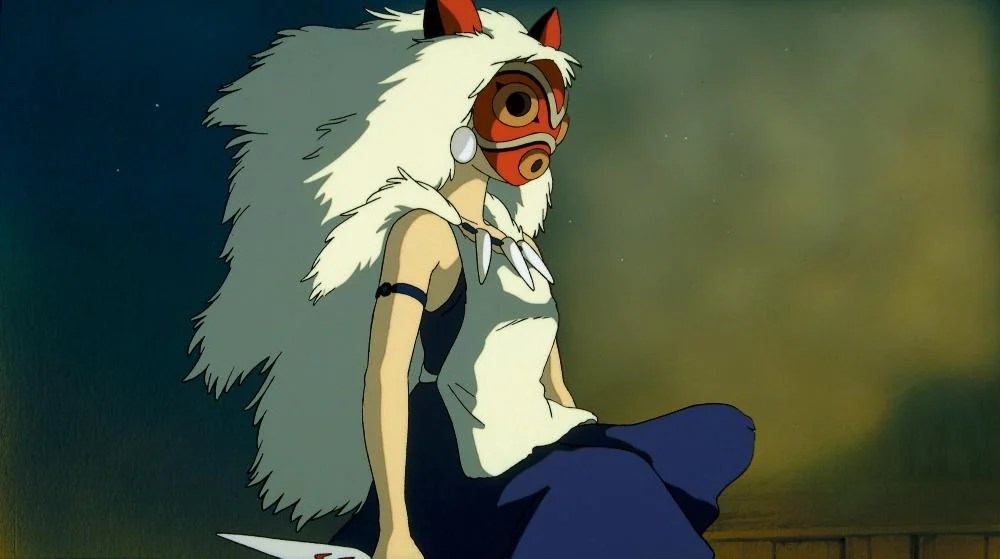
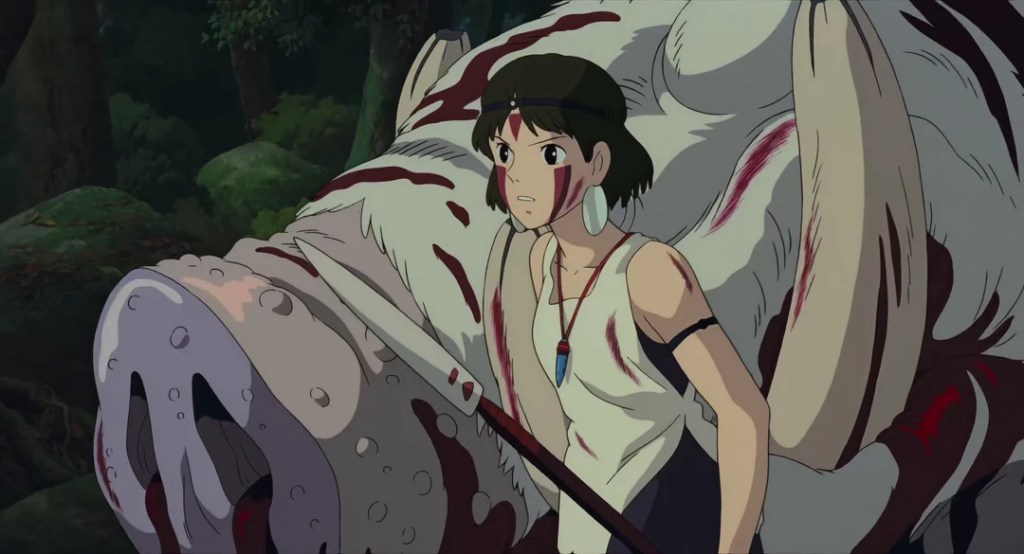
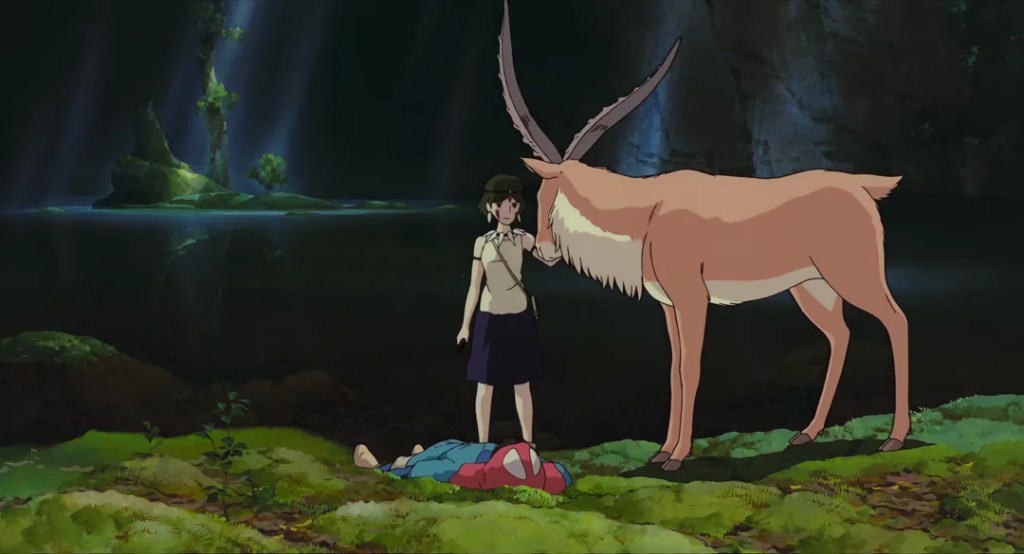
What strikes me most about Princess Mononoke is not its sweeping landscapes, hand drawn animation, or its message on environmentalism; it’s San, the female protagonist. She is incredibly fierce, arrogant, and righteous which in a different person might lead to a disaster but for San, this is all she knows how to be, as she fights for survival for the only world that accepted her and raised her; the forest and its creatures.
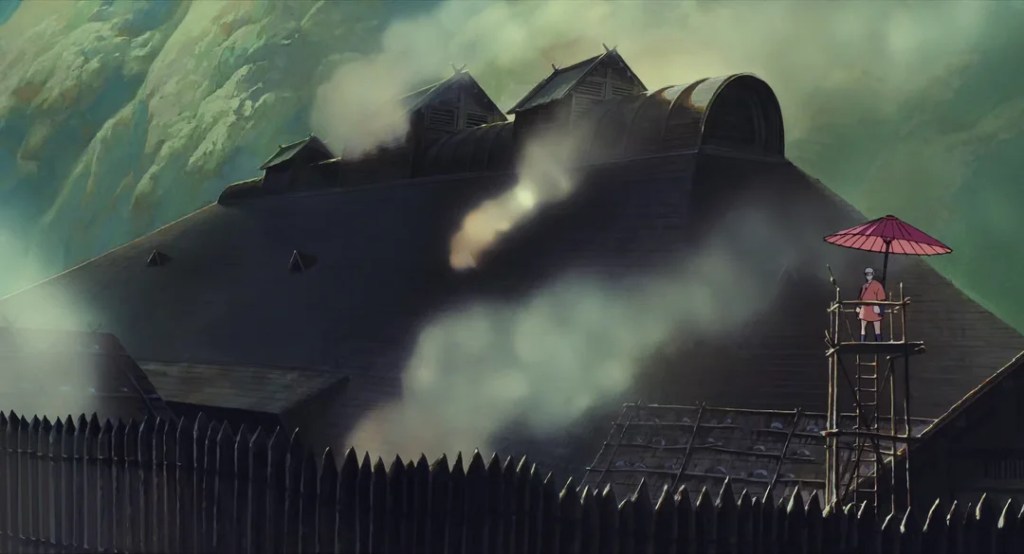
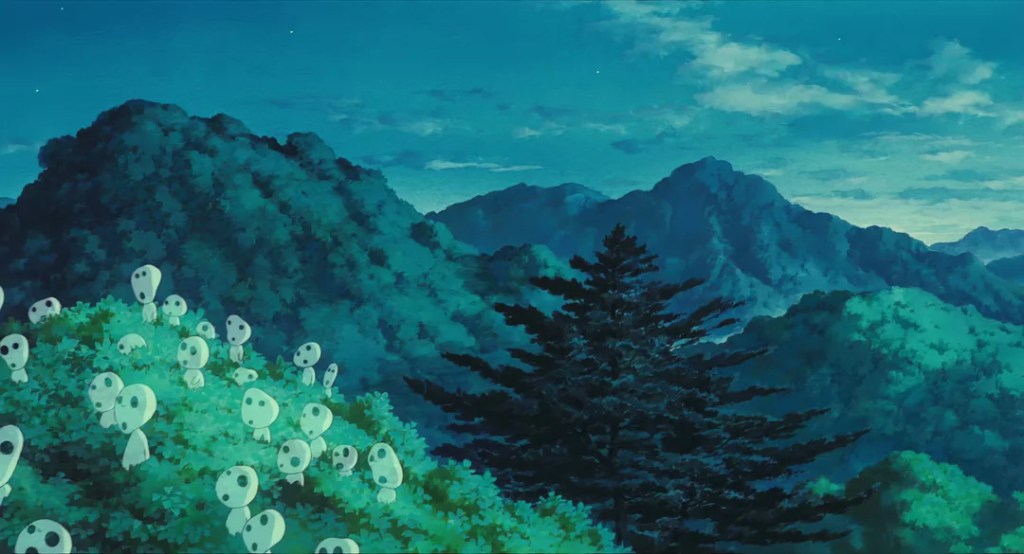
Women are at the center of this movie. They are treated as people with agency and how they use their agency to weave through the web of power propped up by a society heavily built on the idea of patriarchy. Matriarchs dominate this movie, a wolf mother and a mother wolf vie for power as one destroys the other’s home to protect her own. It is a tale as old as time, man vs. nature but Miyazaki focuses on the social contract between the forest and humans. When there is an equal exchange of goods between the two, they live in harmony. However, humans have crossed that barrier and have taken so much that the forest must fight back even if it means utter destruction and the forest’s anger is manifested in gungho boars who will fight to the last tusk, monkeys who have fallen out of the balance of nature (they have tasted human flesh), and the wolves who seem like the only creatures with any sense. Humanity in this film can be tender but also violent as Lady Eboshi rules Irontown with an… iron fist. She cares for lepers, sex workers, and the downtrodden and uses the forest to fan the flames of fire in her smelting works. Lady Eboshi tries to save her own people as she is simultaneously destroying their future as the trees fall, black smoke fills the air, and the forest gods become blinded by rage. We are dooming our own futures and what are we even doing to stop it? The self destructive nature of humanity and nature itself are constantly fighting each other for power, trying to dominate the other, but this domination has led us only to destruction. Are we not yet tired of tearing things down? Watching, jaded, as we diminish our futures with every tree that is felled, coral reefs bleached, and we forget the names of animals that we once knew… the beauty of this world is turned into a hellscape that nothing of value could survive in and we all play a role in this.
There isn’t a protagonist or antagonist, really. It’s people, animals, and nature all trying to find a way to survive as they all tear each other apart for the other’s resources. No one is right in this movie, nor are they supposed to be. It’s a reflection on man’s relationship with nature and with itself. This movie isn’t subtle, Miyazaki never is, but I think it requires people to think deeply on their own relationship with nature and how that can destroy you. Are you yourself willing to strike that balance?
As a great mind once told me, “Life is a game of uppers and downers, it’s your job to find the balance” – Everett Schau.
“Lady Eboshi: What exactly are you here for?
Prince Ashitaka: To see with eyes unclouded by hate.”

 Garri's Guff